

Rollator With Basket
متابعةنظرة عامة
-
القطاعات الصحة و الطب-العلاج الطبيعي
-
تم نشر الوظائف 0
-
المشاهدة 55
وصف الشركة
Five Killer Quora Answers On Senior Walker
A Comprehensive Guide to Senior Walkers: Enhancing Mobility and Independence
As individuals age, keeping mobility ends up being essential for maintaining self-reliance and lifestyle. For numerous seniors, walking aids such as walkers provide a valued solution to assist them browse their environment securely and with self-confidence. This short article looks into the diverse world of senior walkers, including their types, benefits, usage, and some frequently asked concerns.
Understanding Senior Walkers
Walkers, frequently described as walking frames, are mobility aids created to provide assistance and balance for people who might have problem walking independently. They typically consist of a sturdy frame, grips for holding, and sometimes, wheels for ease of movement. Understanding the different kinds of walkers offered can help seniors and their caregivers make well-informed decisions.
Kinds Of Senior Walkers
| Walker Type | Description | Best For |
|---|---|---|
| Standard Walker | A four-legged frame that must be raised to move on. | Seniors needing maximum stability. |
| Two-Wheeled Walker | A walker with two wheels on the front for much easier mobility. | Those with minor balance concerns. |
| Four-Wheeled Walker | A walker with four wheels, frequently consists of a seat and brakes. | Active seniors needing mobility and rest durations. |
| Rollator Walker | A kind of four-wheeled walker that is lightweight and foldable. | Seniors who are more active and need minor support. |
| Platform Walker | A specialized walker with a platform for support, frequently used in physical treatment. | Individuals requiring specific support for injuries. |
Benefits of Using Senior Walkers
Senior walkers supply numerous benefits that considerably enhance the mobility and independence of elderly people. Here are some of the most notable benefits:
- Increased Stability: Provides a strong base of support, lowering the threat of falls.
- Boosted Confidence: Encourages movement and can reduce stress and anxiety about walking.
- Improved Posture: Helps maintain an upright posture while walking.
- Social Engagement: Facilitates participation in social activities by enabling mobility.
- Healing Use: Can be used throughout rehab to improve strength and balance.
Selecting the Right Walker
When selecting a walker, different factors ought to be considered to guarantee the very best fit. Below are crucial points seniors or caregivers should examine:
- Weight Capacity: Ensure the walker can support the user’s weight.
- Height Adjustability: An appropriate height adjustment is vital for convenience and effectiveness.
- Mobility Needs: Consider the user’s specific requirements, such as level of stability required.
- Lifestyle Factors: Think about where the walker will be utilized and how often.
Appropriate Use of Walkers
To make the most of the benefits and minimize dangers associated with walkers, correct use techniques are necessary. Here are steps seniors should follow:
- Stand in the Walker: Position the walker in front of them, guaranteeing it is steady.
- Grip the Handles: Hold the manages strongly, guaranteeing a comfortable grip.
- Walk Inside the Frame: Move forward by taking small actions, making sure the front legs of the walker stay on the ground.
- Turn with Care: To change direction, pivot on the feet while moving the walker.
- Use Cautiously: Avoid hurrying and remember to take breaks when tired.
Regularly Asked Questions (FAQs)
What is the typical price of a senior walker?
The cost of senior walkers can vary based on functions and materials used. Standard walkers may cost as low as ₤ 30, while innovative models with wheels and seats may range from ₤ 50 to ₤ 150.
How do I determine if my liked one needs a walker?
Signs that a senior may need a walker can consist of regular stumbling or losing balance, a current surgery or injury affecting mobility, and avoiding walking or engaging in social activities.
Can a walker assist with rehabilitation exercises?
Yes, walkers can be an essential part of physical treatment, assisting seniors restore strength and dexterity through safe motion.
Where can I purchase a senior walker?
Walkers can be purchased at medical supply stores, drug stores, or online retailers. Some insurance coverage strategies might even cover part of the cost.
How do I preserve a senior walker?
Routine upkeep involves checking for loose parts, making sure brakes operate correctly, and cleaning up the frame to avoid rust or wear.
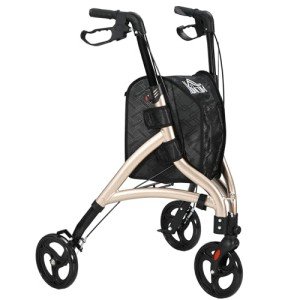
Senior Walker walkers are an important resource for preserving mobility and self-reliance as one ages. With numerous types of walkers readily available, it is essential for seniors and caretakers to consider personal needs, use, and convenience when picking a suitable walking aid. By motivating safe mobility, walkers not just enhance physical abilities but also favorably effect social connections and mental wellness.
Through proper use and care, seniors can delight in an active, appealing lifestyle, reinforced by the support of their walker. Understanding the importance of mobility aids like walkers is essential in promoting boosted life quality for seniors facing mobility obstacles.